
Shaping Spaces That Nudge Better Habits
Today we explore Environmental Cue Design: Shaping Spaces That Trigger Good Routines, a practical approach to arranging rooms, tools, and tiny details so the next healthy action feels obvious, easy, and inviting. Expect stories, science, and step-by-step ideas you can try tonight, plus friendly prompts to share your wins, photos, and questions with our community so we can learn, iterate, and celebrate progress together.

Why Context Beats Willpower
Place your favorite mug beside your sneakers, not the cupboard. Tomorrow, when you reach for coffee, you will literally touch your training cue. That small collision of objects links two routines: brew, then move. Add a pre-filled bottle, a downloaded playlist, and a clear first set. The result is a gentle runway where action begins before doubts gather, turning mornings into predictable momentum rather than negotiations.
Visibility changes behavior because our eyes guide our hands long before decisions feel conscious. Place washed fruit in a bright bowl at eye level, and tuck sweets high, distant, or opaque. You have not banned anything; you simply made the better option faster and friendlier. Over time, repeated glances become repeated bites, and the small edge you engineered quietly compounds into steadier energy and fewer afternoon crashes.
We remember actions and intentions more reliably when the surroundings match the memory’s origin. Create dedicated settings for recurring tasks so your brain retrieves the steps automatically. Keep bills, stamps, and envelopes in one tray; park your reading glasses next to your nighttime book. The space itself becomes a mental map, and walking into it refreshes the procedure, reducing reliance on reminders while increasing completion without drama.



Designing Mornings That Launch Themselves
Great mornings don’t begin at sunrise; they begin the night before with tiny placements that remove friction. Lay out clothes in order of use, prep breakfast tools within arm’s reach, and set a gentle, non-negotiable first action. Use light and layout to choreograph motion from bed to brightness to nourishment. When everything has a ready position aligned with your intention, momentum appears before willpower is even awake.
Workspaces That Invite Deep Focus
Default view equals default behavior
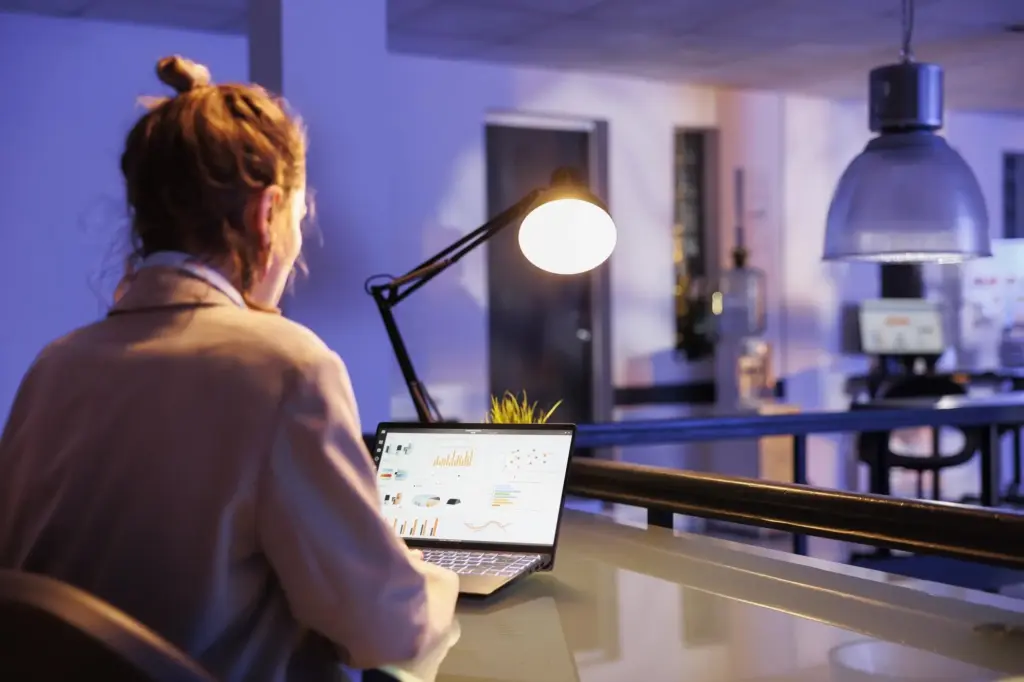
What you see when you sit down determines what you start. Make your default view the document, tool, or canvas that matters most. Dock windows precisely, full-screen your work canvas, and store distracting apps off-screen or on a separate device. Keep a sticky note with the day’s single deliverable centered under your monitor. Your gaze becomes a steering wheel, and your environment eliminates side roads that fragment progress.
One-touch landing pads
Designate a clear, always-ready zone for your most frequent task, stocked with exactly what it needs and nothing more. If recording, keep the mic arm set, levels pre-dialed, and notes clipped. If sketching, paper stacked, pencil sharpened, eraser parked. One touch, and you are creating. Every second shaved from setup reduces dread, inviting you into flow before resistance organizes its arguments.
Acoustic boundaries you can feel
Sound shapes cognition. Use soft partitions, rugs, curtains, or noise-masking audio scenes to carve out a mental boundary. A specific playlist or ambient loop can become a start bell and a focus anchor. Pair it with a visible timer and a posted quitting cue to avoid burnout. When ears recognize the room’s intention, wandering thoughts respect the boundary, and sessions end with energy left for life beyond the desk.
Hydration lives where heat lives
Place a tall glass, mineral pinch, and a chilled carafe right beside your kettle or coffee maker. Morning warmth becomes a reliable pairing with water, helping you drink before caffeine. Add a coaster you love and a small note under the glass reminding you to refill. This gentle constellation removes steps, turning an intention into a reflex. Better hydration lifts mood, supports focus, and steadies appetite across demanding mornings.
Wind-down corner that tells your brain it’s night
A chair facing away from screens, a dim lamp with amber light, and a small tray holding your book, journal, and sleep mask can dissolve evening chaos. Enter, exhale, and let the lighting, textures, and posture whisper that stimulation time has ended. Repeat it consistently, and your nervous system starts the shutdown routine on cue, reducing late-night scrolling while deepening sleep quality without relying on stern rules.
Light scenes tuned to your body’s clock
Program bulbs to brighten kitchens and desks at strategic times, then soften hallways as evening approaches. This choreography supports circadian cues your brain already trusts. Combine pre-scheduled light with decluttered surfaces to remove visual noise. Over days, the timing becomes a nonverbal schedule, easing starts and finishes. You are not forcing discipline; you are collaborating with physiology so energy crests where it helps and recedes where it heals.
Signature scents that anchor routines
Choose one uplifting scent for movement or chores and reserve it only for that activity. Diffuse it briefly right before starting, then stop. The aroma becomes an on-ramp that nudges your body toward readiness. Later, switch to a soothing note for reading or journaling. Because smell links tightly to memory and mood, these consistent pairings strengthen associations, making transitions swifter without willpower theatrics or noisy notifications.
Textures and temperatures as gentle signposts
A cool steel water bottle, a soft-grip dumbbell, or a nubby meditation cushion can signal exactly what happens here. Let your hands meet the right texture at the right moment. Add a weighted throw in the wind-down nook and a cork mat where mobility begins. When touch aligns with intention, your body decodes the cue immediately, reducing hesitation while increasing the pleasure of simply beginning.
Multisensory Cues That Whisper Instead of Shout
Gentle sensory layers work better than blaring reminders. Use light, scent, texture, and subtle sounds to invite action without alarms. Dim, warm light says relax; bright, cool light says begin. A consistent citrus note before chores can lift energy, while a lavender cloud can hush pre-sleep tension. Pair sensations with small, repeatable actions until they fuse, turning routines into embodied patterns you follow almost automatically.
Sustaining, Measuring, and Refreshing Your Cues
Cues need light maintenance to stay effective. Audit hotspots weekly, rotate placements before staleness creeps in, and retire anything that now adds friction. Track only the smallest meaningful metrics, then celebrate visible progress. Share photos or notes with friends to borrow momentum and fresh eyes. When you treat your space like a living system, small adjustments keep routines resilient through seasons, travel, and shifting priorities.

A five-minute weekly cue audit
Walk your home with a curious eye every Sunday. Ask: what did I reach for easily, and where did I stall? Move one object, clear one surface, and add one tiny prompt. Photograph before-and-after to reinforce learning. This micro-practice prevents clutter creep and keeps your space in conversation with your changing life, ensuring your environment remains an ally rather than a museum of last month’s intentions.

Tiny data that actually helps
Track the smallest unit that drives the behavior: glass of water, five-minute stretch, paragraph drafted. Use a visible tally card near the station instead of a distracting app. The immediate mark rewards the action and reminds tomorrow’s you where to start. Over time, these simple counts tell a believable story, encouraging consistency without turning your life into a spreadsheet or your routines into pressure tests.